
1.0 The Signal
The number underneath is the one that moves politicians. Renters now spend a record 33.4 per cent of household income on rent. The stress line is 30. So the rent-cap conversation is back in every state, and from here it gets a fresh ABS number attached to it every quarter. A rent cap does not build a house. It decides who stops building them. 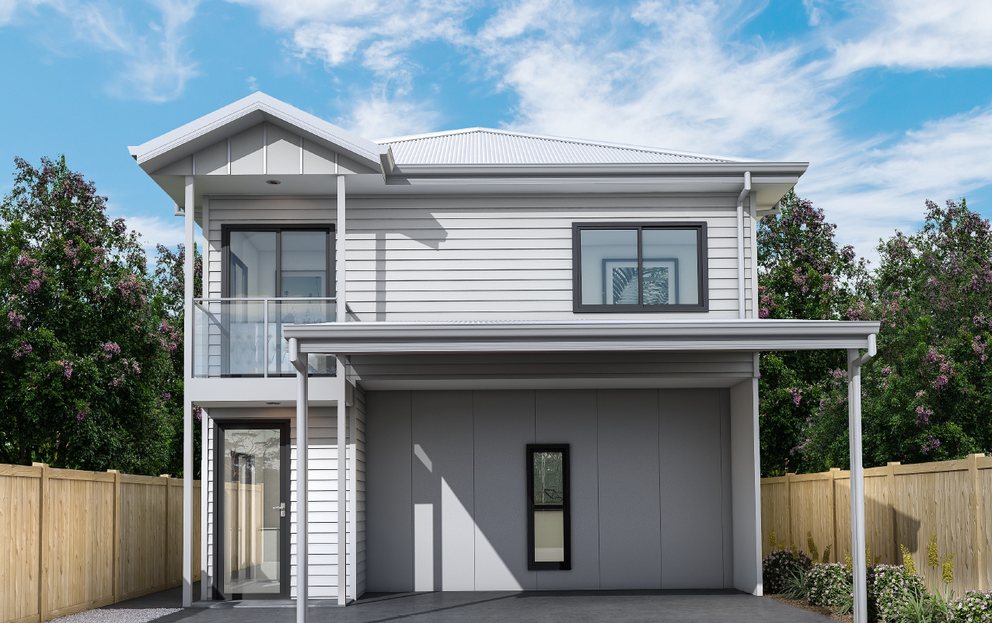
The only thing that has ever lowered rents is more of these.
|
2.0 The Numbers
Here is where the rental market sits, and where each state sits on a cap. These are the published numbers, not mine.
Sources: ABS Wage Price Index, 19 August 2026; Cotality Quarterly Rental Review, June quarter 2026; SQM Research vacancy and asking-rent bulletin, 13 August 2026; CommBank and Cotality, 8 July 2026. Look at the Brisbane rows. Vacancy at 0.9 per cent. House asking rents up 10 per cent in a year. That is not a market with too many landlords. It is a market with too few homes.
We have seen this film before. Berlin froze rents in February 2020. Within a year the number of homes advertised for rent in the capped market had fallen by roughly half, as owners sold, sat on empty flats, or moved to the new-build market the cap did not touch. The constitutional court struck the cap down in April 2021. The shortage it created outlived it. Notice what every cap leaves alone. Berlin exempted homes built after 2014. The ACT links rises to CPI, but a new home still sets its first rent at market. Victoria's 1 July reforms tightened notice periods and end-of-lease grounds and did not go near new supply. Governments know where new homes come from, so the new home is the last thing they touch. That is the pattern. The rules change at the edges, and the edge is almost never the new build. Supply lag is years and the rent response is months. Approvals fell again in July, to 17,687 dwellings. Whatever a state does with a cap, the homes not being approved this year are the rents of 2028. The test underneath it has not changed. Does the asset pay for itself at today's lending rates, the rate the bank actually charges, not the cash rate? The average investor variable rate is about 7.2 per cent while the cash rate sits at 4.35, and the Reserve Bank meets again on 29 September with the market leaning towards another rise. Run the numbers at the rate you will be charged. If the asset carries itself there, a cap is a nuisance. If it does not, a cap was never the problem. I am not your accountant or your lawyer and this is not advice on your situation. If you want to talk through what a cap would do to what you hold, or what to buy so that it does not matter, the booking link is below.
If a cap is coming to your state and you want to know what it does to your numbers, call or text me direct on 0418 813 825 — or
|
Because in the end, this was never really about rent. It is about freedom. Governments change the rules at the edges. A cap is an edge. It has been tried before and it will be tried again, and each time the new home was left alone, because that is where the next rental comes from. Buy what the rules were written to favour. Make it pay for itself. Hold it. The people who keep building quietly through the noise are the ones who end up free.
|
To your freedom, 
Investor · Developer · Qualified Valuer Mobile: 0418 813 825 · colemaninvest.au |
|
|
|
© 2026 Coleman Invest | Private Investment Office |


Rentals
Oct 2026
Locked out of buying, so they rent.
The RBA lifted the cash rate to 4.60 per cent on 29 September. Brisbane vacancy is 0.9 per cent.
Read the brief →
Rentals
Aug 2026
The investors left. The tenants did not.
Investor lending fell 8.6 per cent. Sydney, Brisbane and Melbourne rents all hit records.
Read the brief →
Policy
Sep 2026
Treasury's formula forgot your renovation.
No one is reporting this. From 1 July 2027, the money you spent on capital works may not count.
Read the brief →Subscribe
Get the brief each week.
One measured note on the Australian market, straight to your inbox. The same thinking we apply before we buy. Unsubscribe any time.